
Maintain Her Strength – PSLE English Vocabulary Question 15 Explained

Introduction PSLE vocabulary questions often test whether students can choose the most appropriate word based on meaning and real-life usage. This maintain her strength question is straightforward once you focus on the purpose of training before a competition. The Question / Scenario Explanation Source: English Paper, Question 15 The athlete trained daily to […]
Past Perfect Tense – PSLE English Question 14 Explained
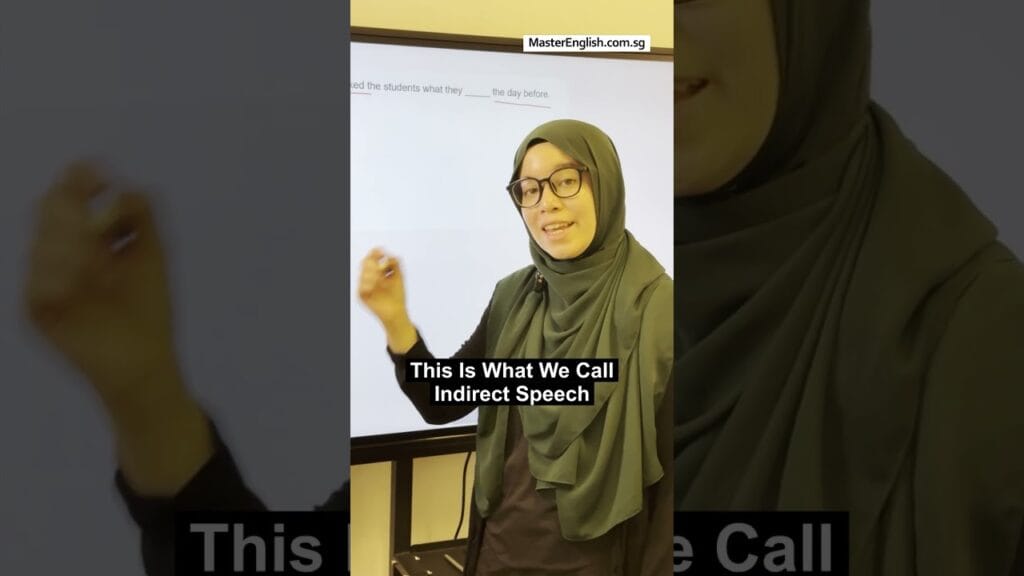
Introduction Tenses are a high-scoring topic in PSLE English, but students often lose marks when two past actions appear in the same sentence. This past perfect tense question is a classic example: you must show which action happened earlier. The Question / Scenario Explanation Source: English Paper, Question 14 The teacher asked the […]
Which Relative Pronoun – PSLE English Question 13 Explained
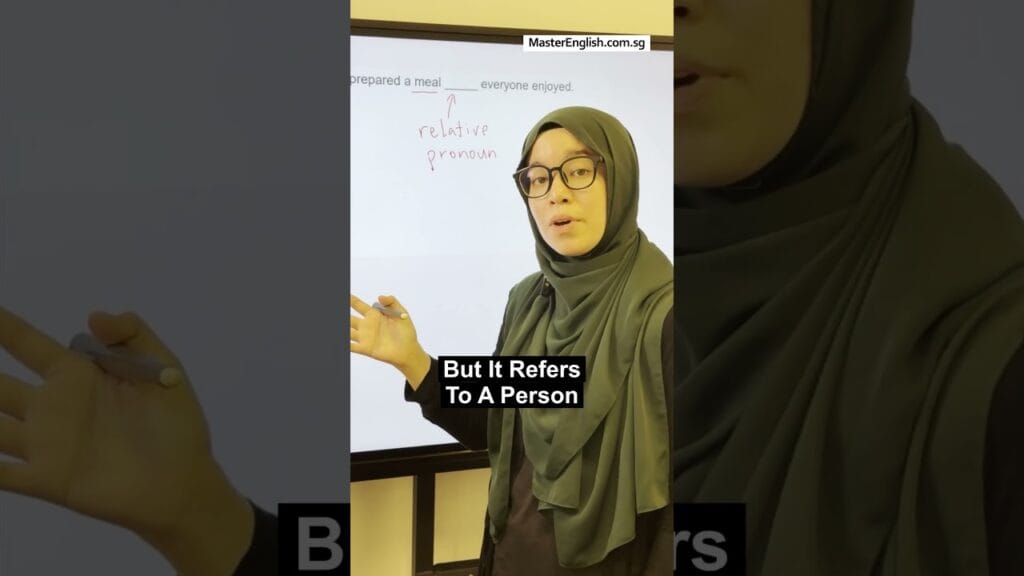
Introduction Relative pronouns are a common PSLE grammar topic because students must choose the pronoun that matches what it refers to. This which relative pronoun question is easy once you identify whether the noun is a person or a thing. The Question / Scenario Explanation Source: English Paper, Question 13 The chef prepared […]
Paying Little Attention – PSLE English Question 11 Explained
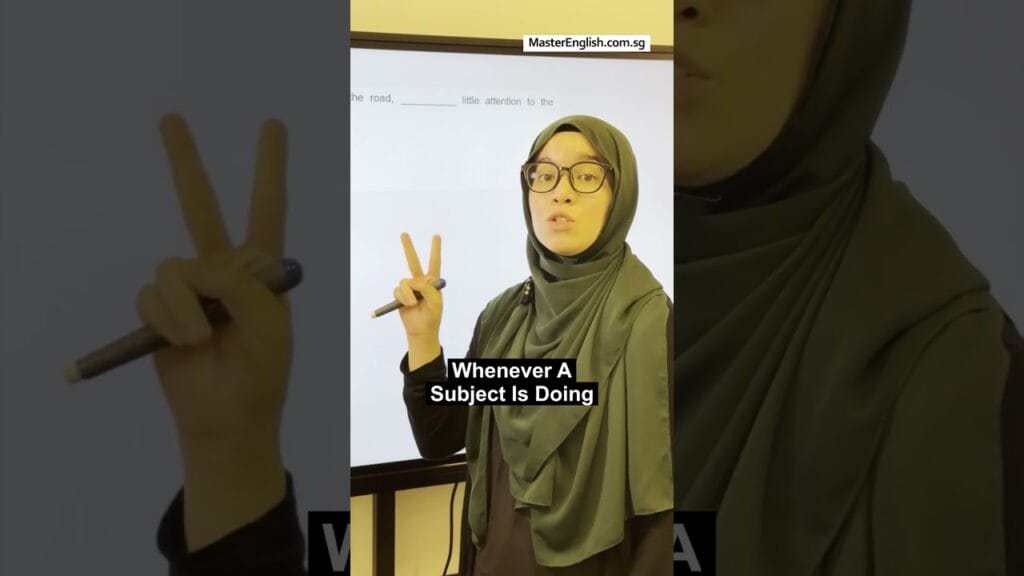
Introduction Some PSLE grammar questions test sentence structure more than tense. This paying little attention question looks simple, but many students choose a verb form that breaks the sentence. Once you spot the correct structure, the answer becomes very clear. The Question / Scenario Explanation Source: English Paper, Question 11 The boy dashed […]
Unless Conjunction Meaning – PSLE English Question 10 Explained

Introduction Words like “unless”, “except”, “despite”, and “because” look similar—but they connect ideas in very different ways. This unless conjunction meaning question is a classic PSLE grammar test where the correct answer depends on spotting the relationship between the two clauses. The Question / Scenario Explanation Source: English Paper, Question 10 Mark refused […]
Was Asleep Grammar – PSLE English Question 6 Explained
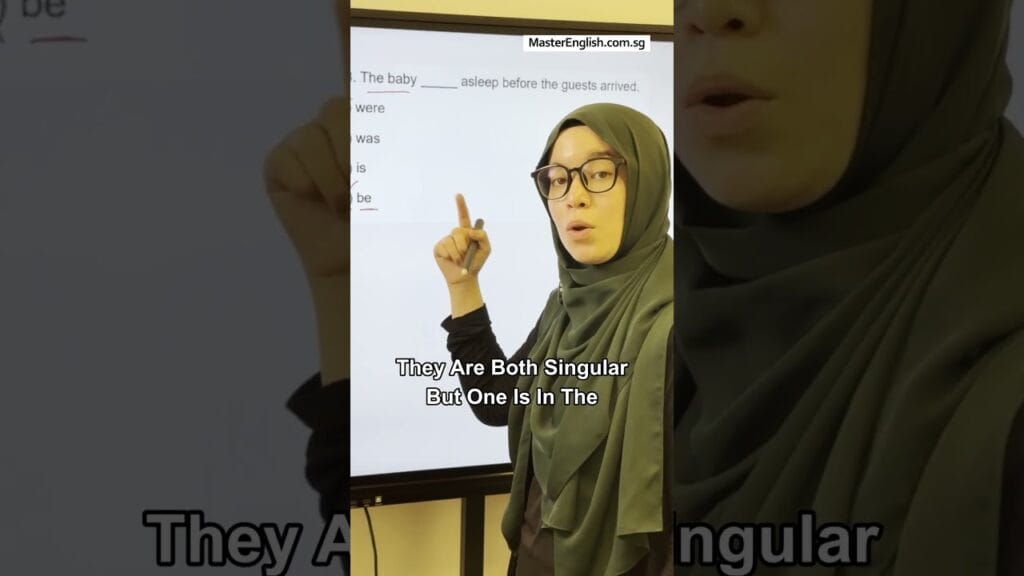
Introduction This is a common PSLE grammar trap: students see “asleep” and get unsure which form of “be” to use. This was asleep grammar question becomes easy once you check the subject (singular/plural) and the time clue in the sentence. The Question / Scenario Explanation Source: English Paper, Question 6 The baby _____ […]
Living in Despair – PSLE English Vocabulary Question 9 Explained
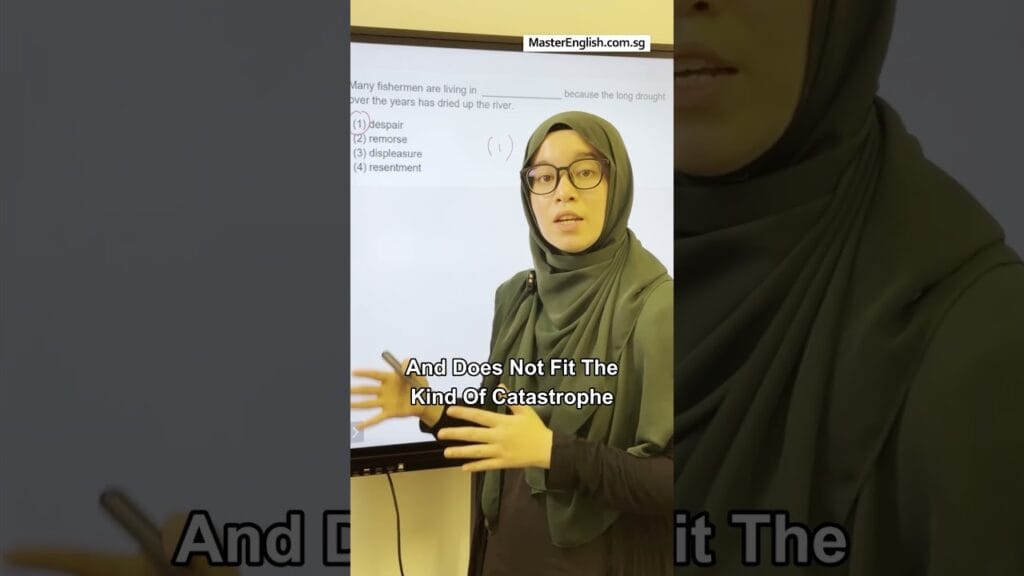
Introduction Vocabulary questions become much easier when students use context clues and choose the most natural phrase. This living in despair question is a common PSLE-style test where the correct answer matches the situation and emotional tone of the sentence. The Question / Scenario Explanation Source: English Paper, Question 9 Many fishermen are […]
Screened for Tuberculosis – PSLE English Vocabulary Question Explained
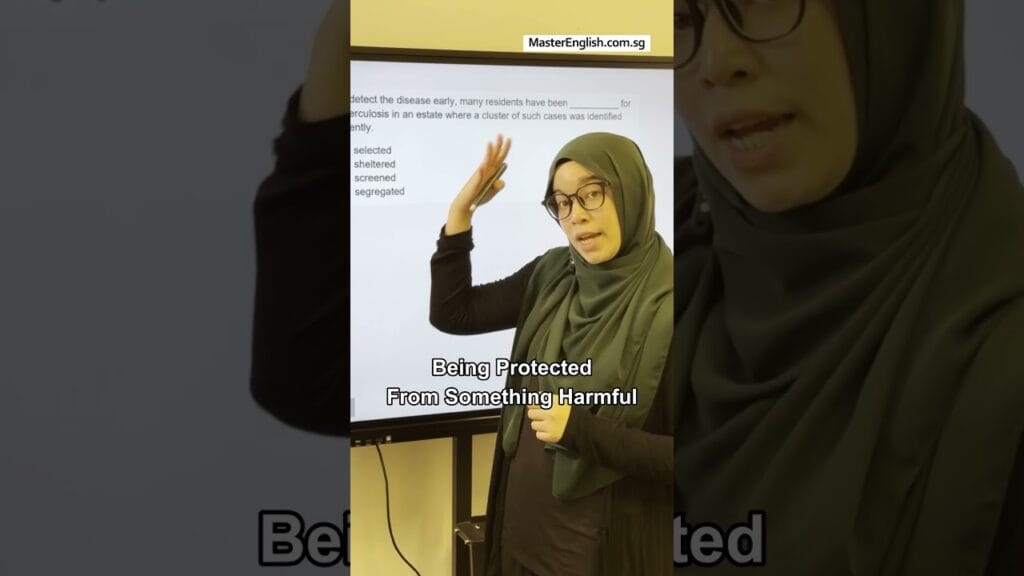
Introduction In PSLE vocabulary questions, students must choose the word that fits both meaning and real-world usage. This screened for tuberculosis question is a good example because the correct answer depends on understanding how health-related words are commonly used in English. The Question / Scenario Explanation Source: English Paper, Question 8 To detect […]
Tense Silence Meaning – PSLE English Vocabulary Question Explained
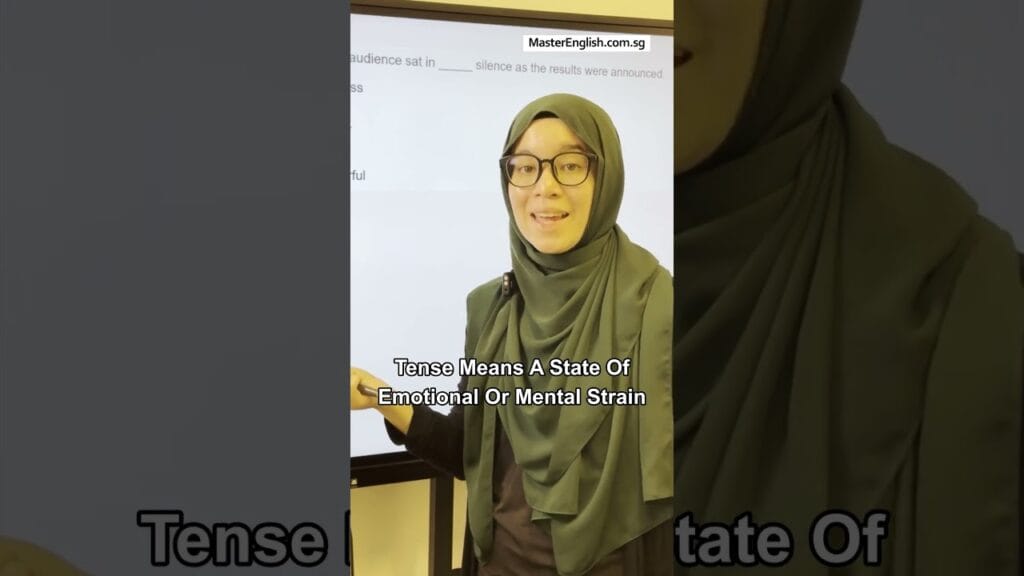
Introduction Have you ever felt a room go quiet right before important results are announced? This tense silence meaning question is a classic PSLE vocabulary test where students must choose the word that best matches the mood and natural English usage. The Question / Scenario Explanation Source: English Paper, Question 7 The […]
Neither Nor Agreement – PSLE English Question 2 Explained
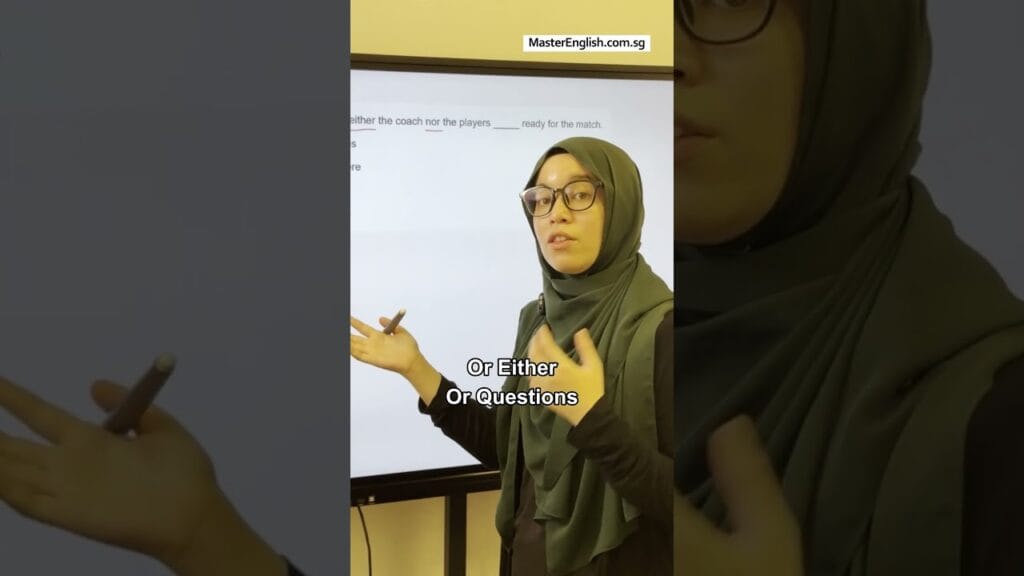
Introduction This neither nor agreement question is a common PSLE grammar trap because the subject looks “split” into two parts. If you apply the correct rule, you can choose the right verb quickly and score confidently in PSLE English grammar questions. The Question / Scenario Explanation Source: English Paper, Question 2 Neither the coach […]