
Their, There, They’re: How to Use All 3 Correctly

Introduction Their, there, they’re sound exactly the same when spoken, but they have completely different meanings. This makes them one of the most common spelling and grammar mix-ups for English students. The good news is that students do not need to memorise complicated rules. Each word has a simple job: their shows possession, there refers […]
British English Singapore: Learnt or Learned, Practice or Practise?
Introduction Should your child write learnt or learned? What about practice or practise? Understanding British English Singapore conventions can help students make more consistent spelling and word-choice decisions in school writing. Singapore English generally follows British spelling conventions in formal education. However, students are also constantly exposed to American English through YouTube, social media, books, […]
British American English: Common Differences Singapore Students Should Know
Introduction Many students get confused by British American English because both versions appear everywhere — in school, on YouTube, in books, in apps, and even on signs. The tricky part is that both versions can be correct, but they are used in different countries and contexts. In Singapore, students usually follow British English for school […]
Maths or Math: Which One Is Correct in Singapore English?
Introduction Many students wonder whether they should write maths or math. Both words are commonly seen online, in books, and in videos, so it is easy to feel confused. For students in Singapore, the answer is simple: Singapore generally follows British English, so the correct school usage is usually maths with an s. Americans commonly […]
Your vs You’re: How to Use Them Correctly in PSLE English

Introduction Many students mix up your vs you’re because the two words sound the same when spoken. However, they do not mean the same thing at all. This small grammar mistake can make a sentence look careless in compositions, editing tasks, and daily writing. For PSLE English students, understanding your vs you’re is important because […]
May Can Grammar: When to Use “May” and “Can” Correctly
Introduction Many students say, “Teacher, can I go to the toilet?” in class. While people may understand the meaning, this sentence is not the most accurate when asking for permission. This is where may can grammar becomes important for PSLE English students. In English, “can” and “may” are both modal verbs, but they are used […]
British American Spelling: What PSLE English Students Should Know
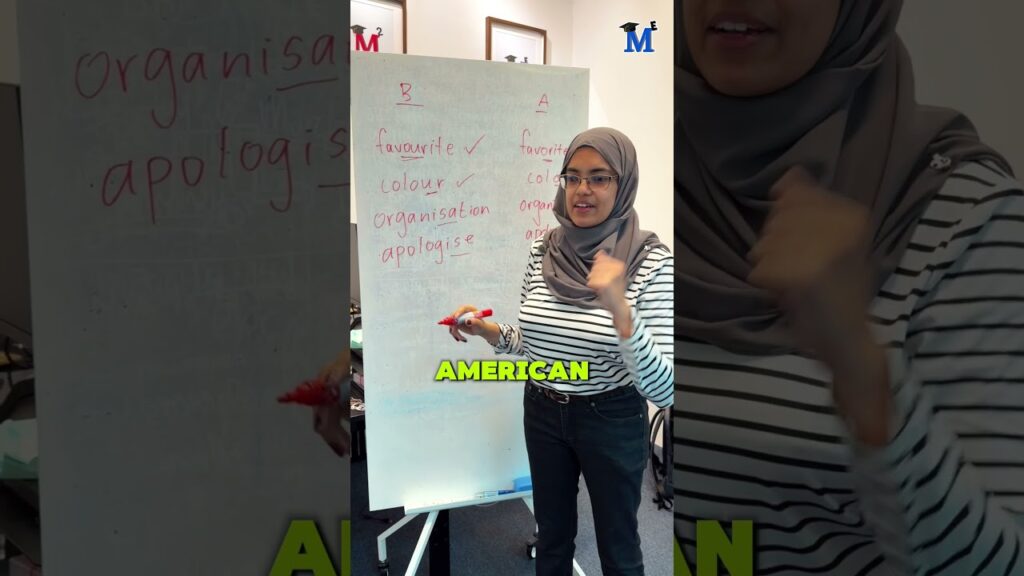
Introduction British American spelling can confuse many students, especially when they see different versions of the same word in books, apps, videos, and online tools. For PSLE English students in Singapore, understanding British American spelling is important because school writing usually follows British English. Words like favourite and favorite, or colour and color, may both […]
British American English: What PSLE English Students Should Know
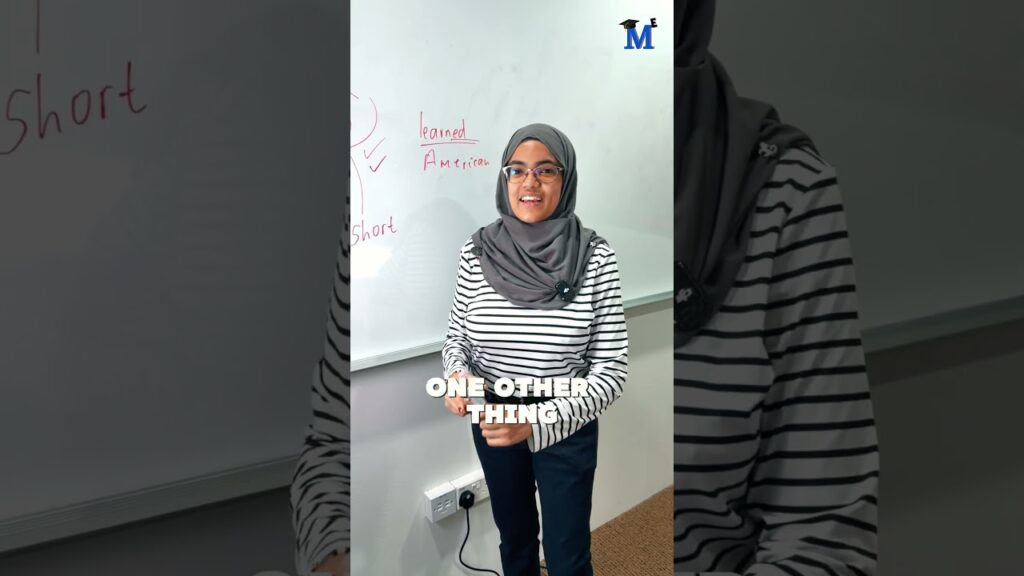
Introduction Many students feel confused when they see different spellings for the same word. For example, should they write “learnt” or “learned”? Should they write “practise” or “practice”? This is where understanding British American English becomes important. In Singapore schools, students are generally taught British English. However, they may also see American English online, in […]
Third Conditional Sentence – English Question 3 Explained
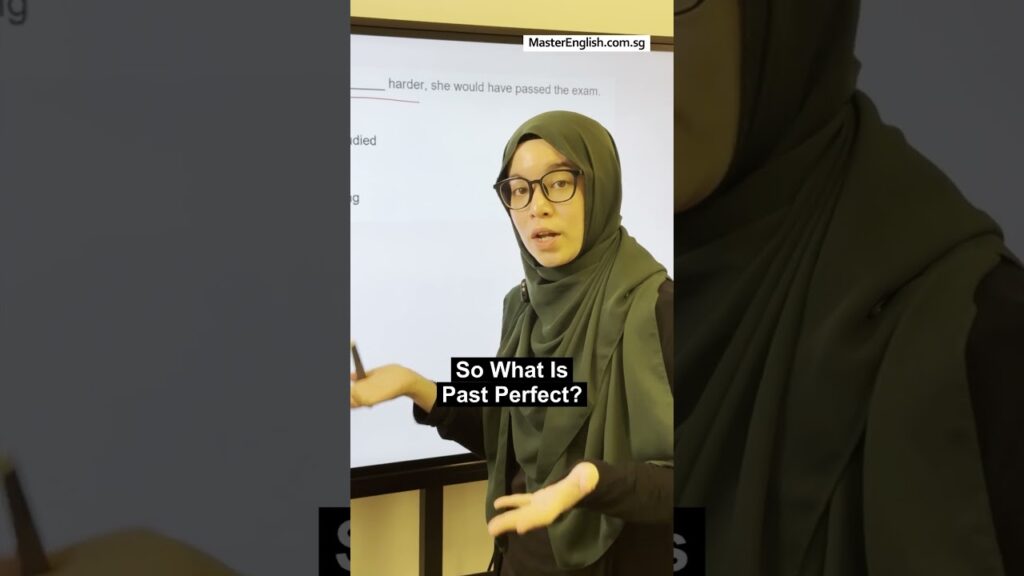
Introduction This third conditional sentence question is a very common English grammar test item because it checks whether students can recognise an unreal past situation. Many students see the word “would” and guess too quickly, but once you know the structure of a third conditional sentence, the correct answer becomes much easier to choose. […]
Future Perfect Tense – English Question Explained
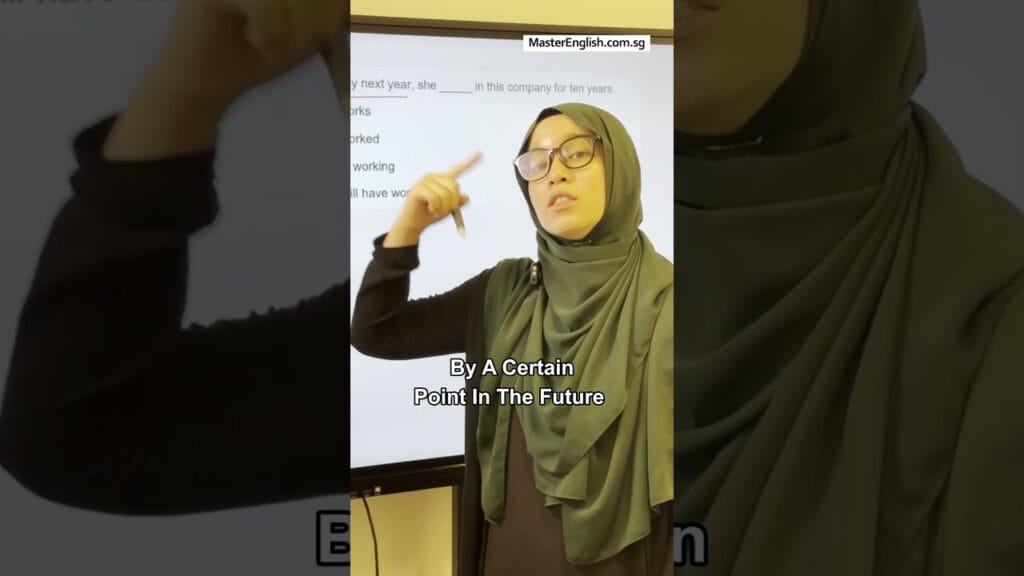
Introduction This future perfect tense question is a very useful grammar example because it tests whether students can recognise an action that will be completed by a specific time in the future. Many students get confused when they see time markers like “by next year”, but once you understand how the future perfect tense works, […]